
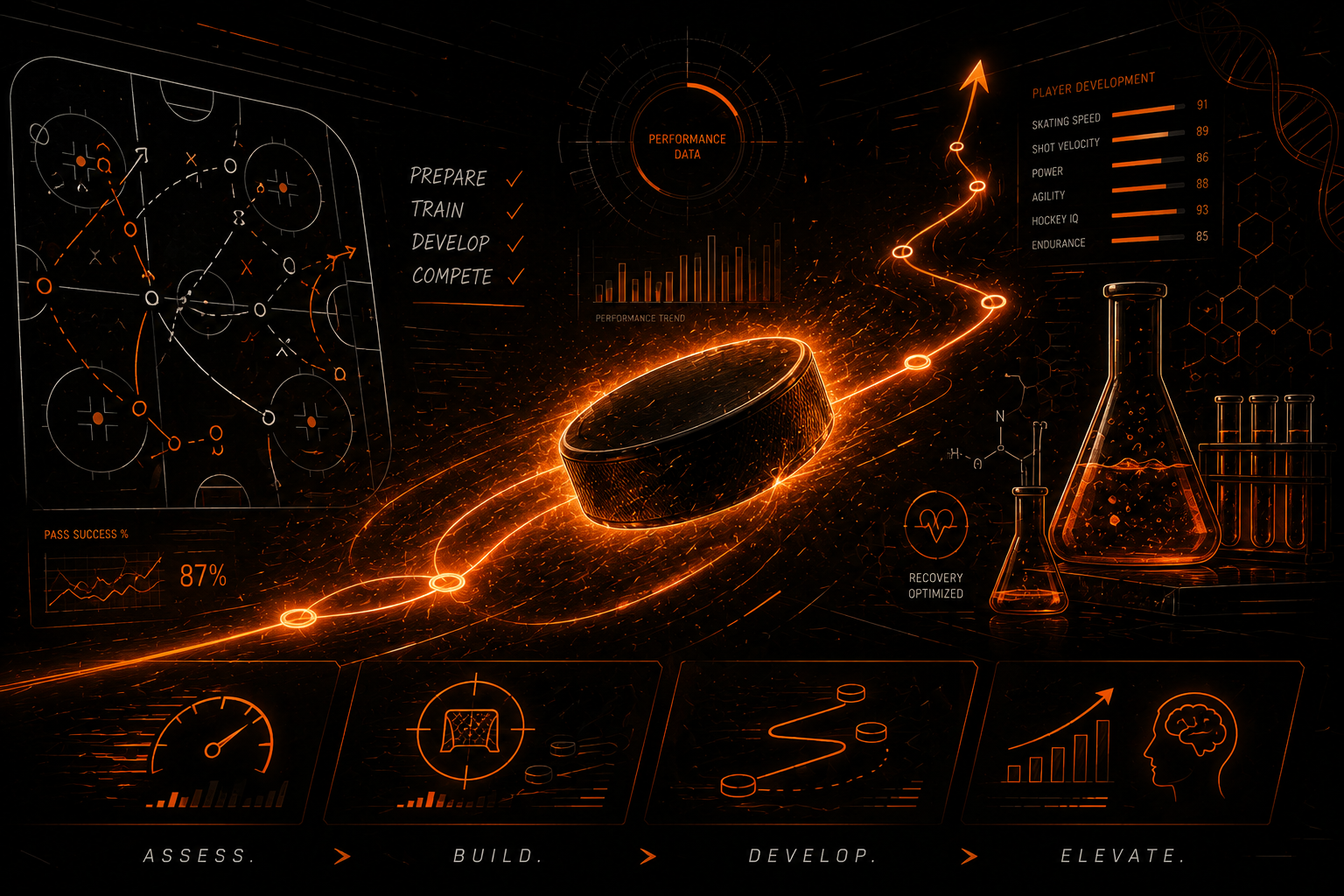
TRaining Pathways
Choose Your Pathway. Build Your Game.
Every athlete is different. Whether you're looking to skate faster, shoot harder, sharpen your skills, or become a stronger athlete, we'll help you find the training pathway that gets you there.
I want to be a better skater
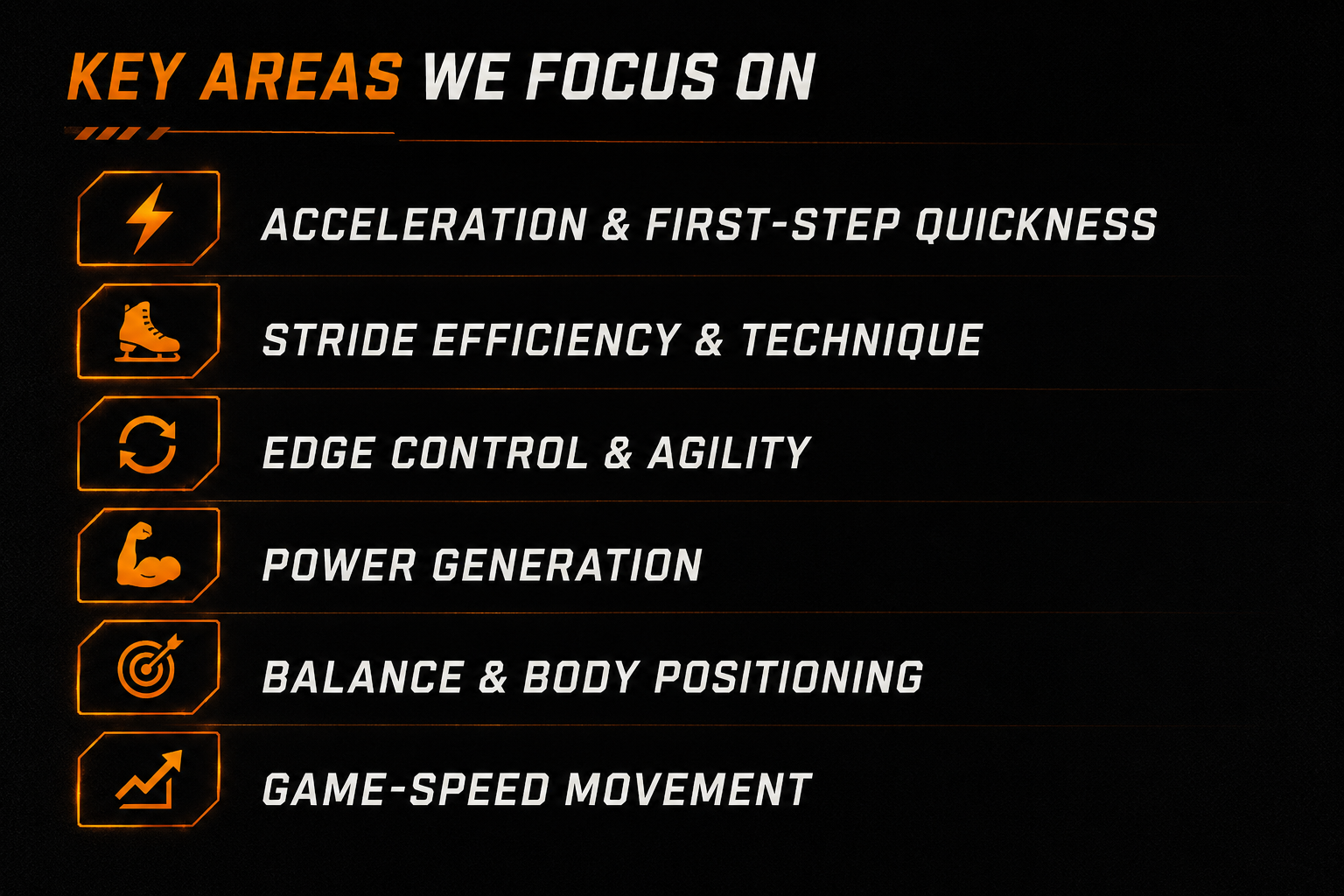
Great skating is the foundation of great hockey. Whether you're looking to improve your stride, increase your speed, generate more power, or gain confidence on your edges, this training pathway is designed to help athletes move better and perform at a higher level. Through focused coaching, video analysis, and specialized training tools, we'll help you unlock the next level of your skating.
Component #1: Skating Treadmill
The skating treadmill is one of the most effective tools available for developing skating mechanics, stride efficiency, and explosive power. By allowing athletes to perform high repetitions in a controlled environment, our Puck Lab coaches can identify and correct inefficiencies in real time. Research and player development programs have shown improvements in skating speed, stride mechanics, lower-body power, and on-ice performance following structured skating treadmill training.
The Effect of a Skate Treadmill Training Intervention on Stride Mechanics (2021)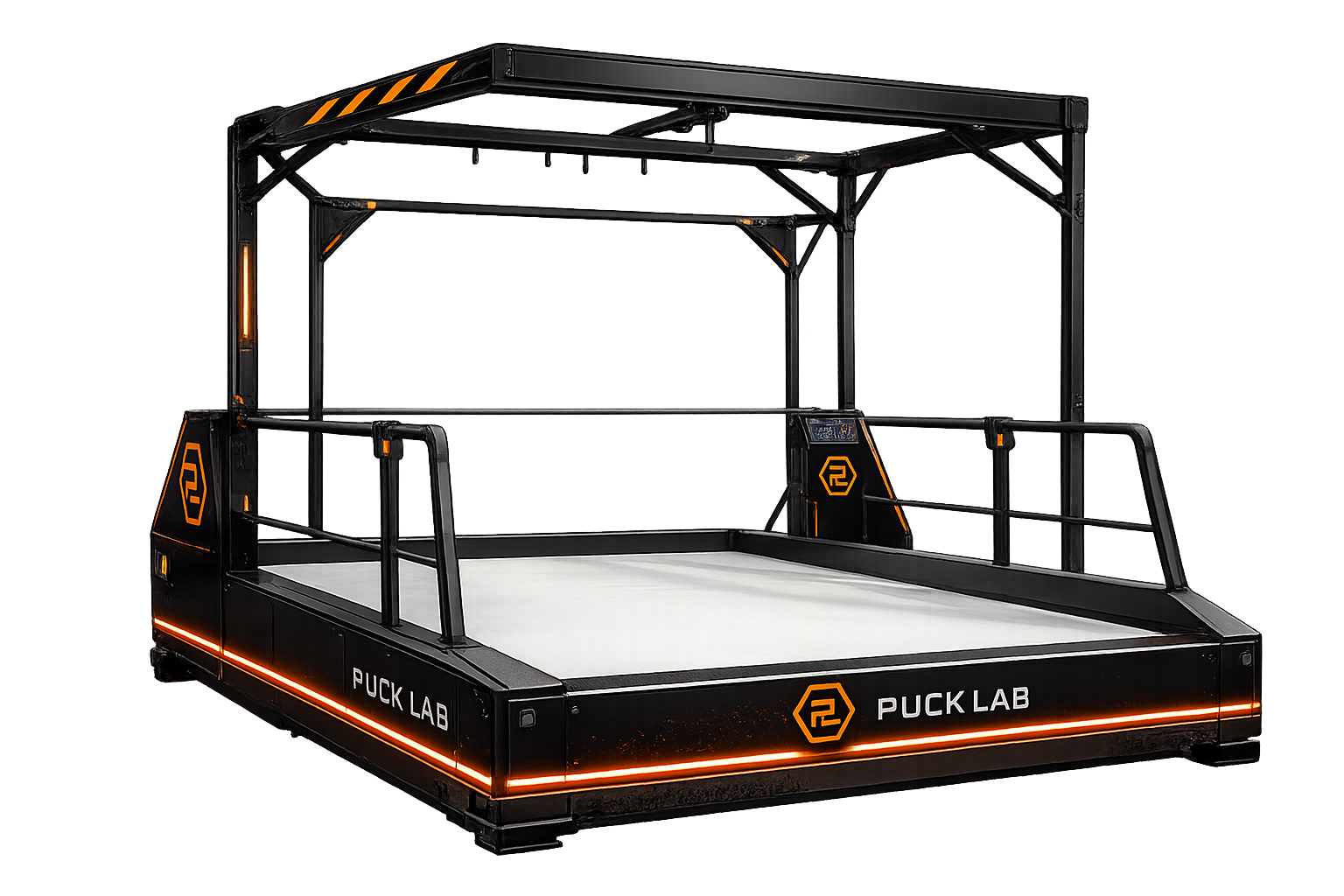
Component #2: Dryland training & Classes
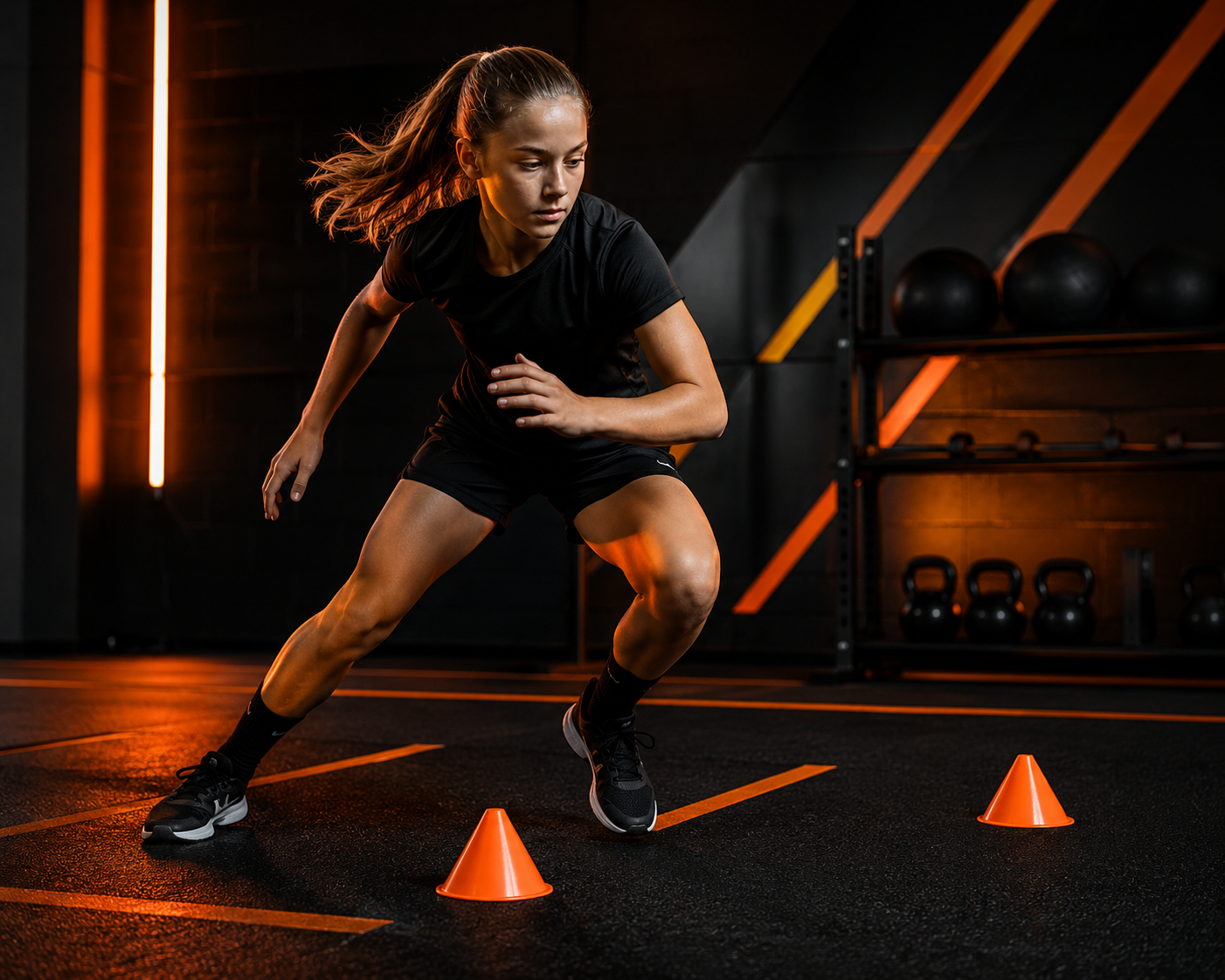
Great skaters aren't built on the ice alone. Our Dryland Performance Classes are designed to develop the athletic foundation that drives skating performance. Through targeted training focused on speed, power, balance, agility, coordination, and explosive movement, athletes build the strength and movement patterns needed to skate faster, change direction more efficiently, and maintain power throughout the game.
By improving lower-body strength, core stability, and overall athleticism, dryland training helps athletes maximize what they can achieve when they step onto the ice.
I want to score more goals
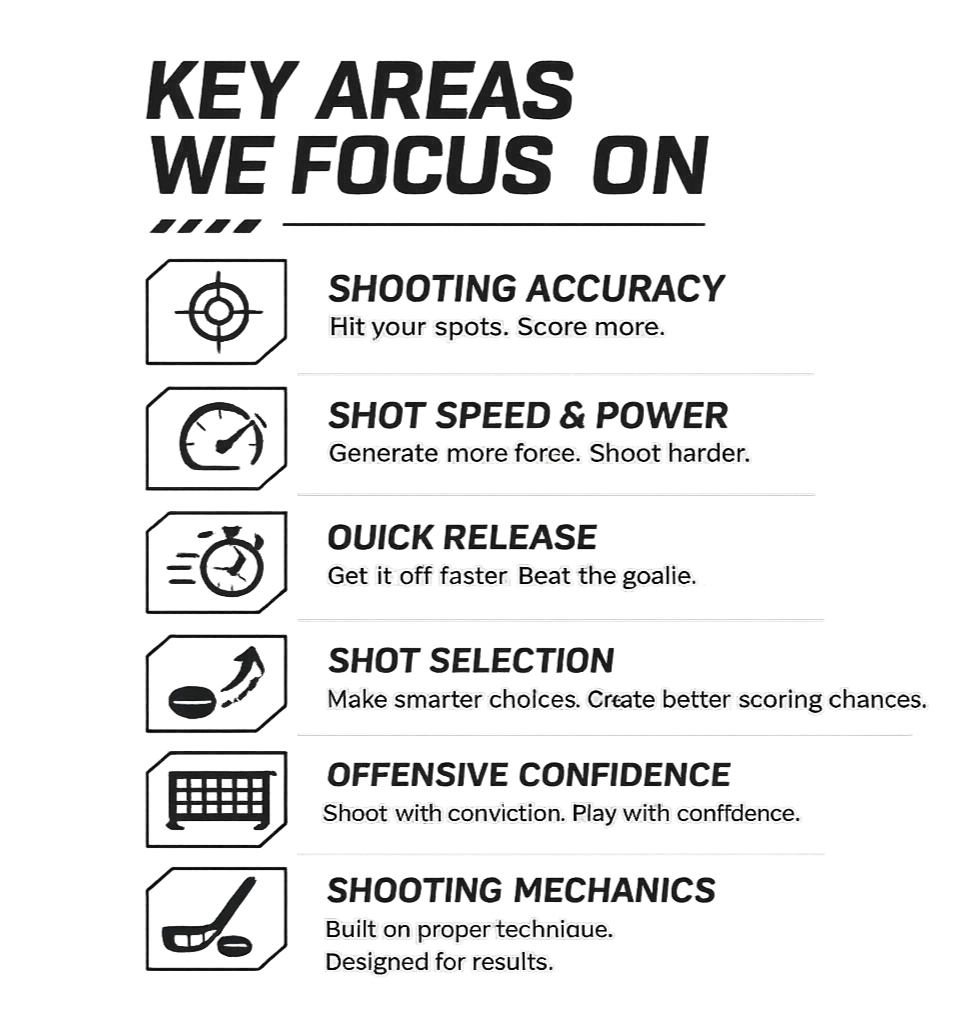
Develop a quicker release, more powerful shot, and the confidence to capitalize on scoring opportunities when they matter most. Through focused shooting training, repetition, and coaching feedback, athletes learn how to generate more power, improve accuracy, and become a greater offensive threat in every zone of the ice.
Component #1: Shooting Lane
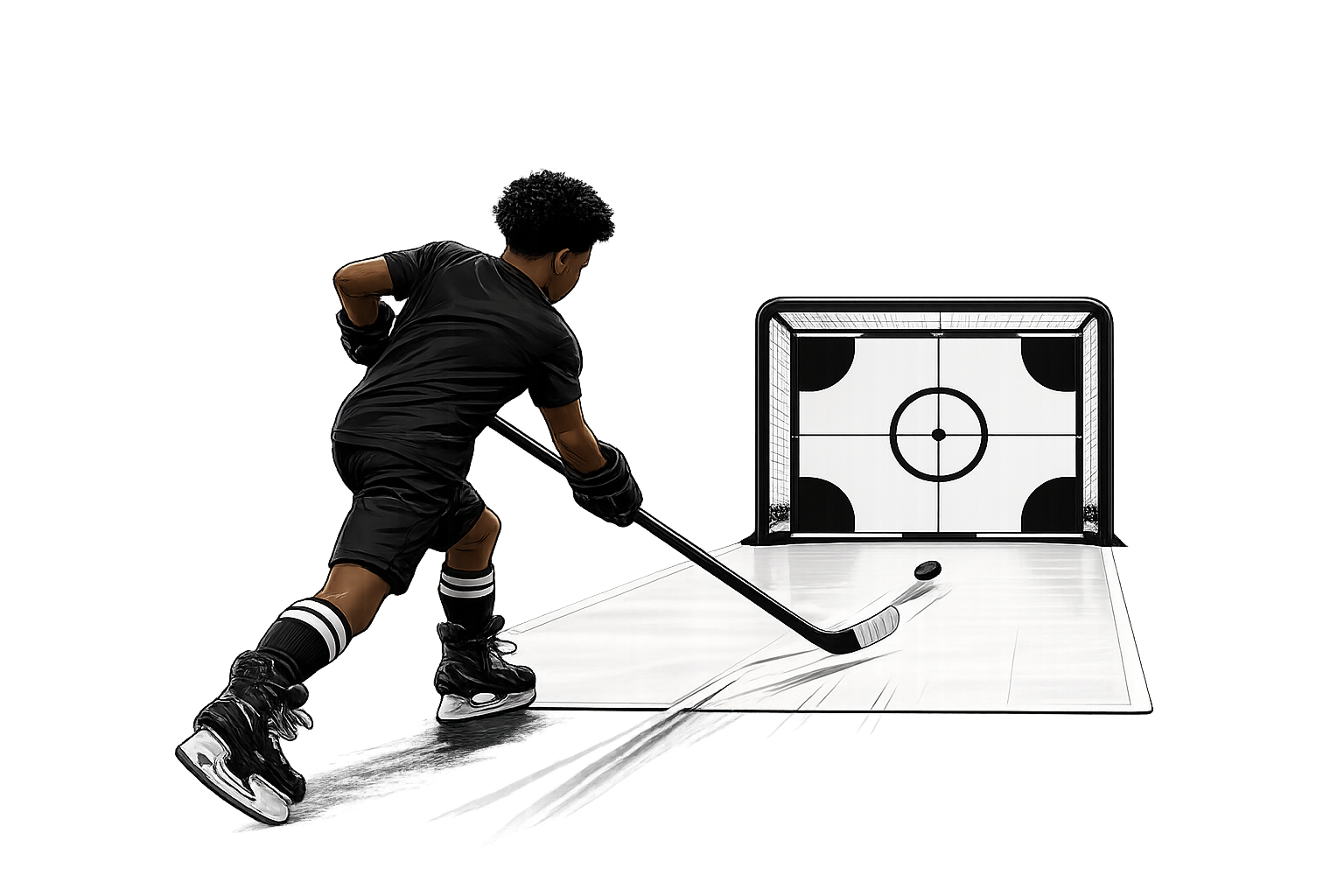
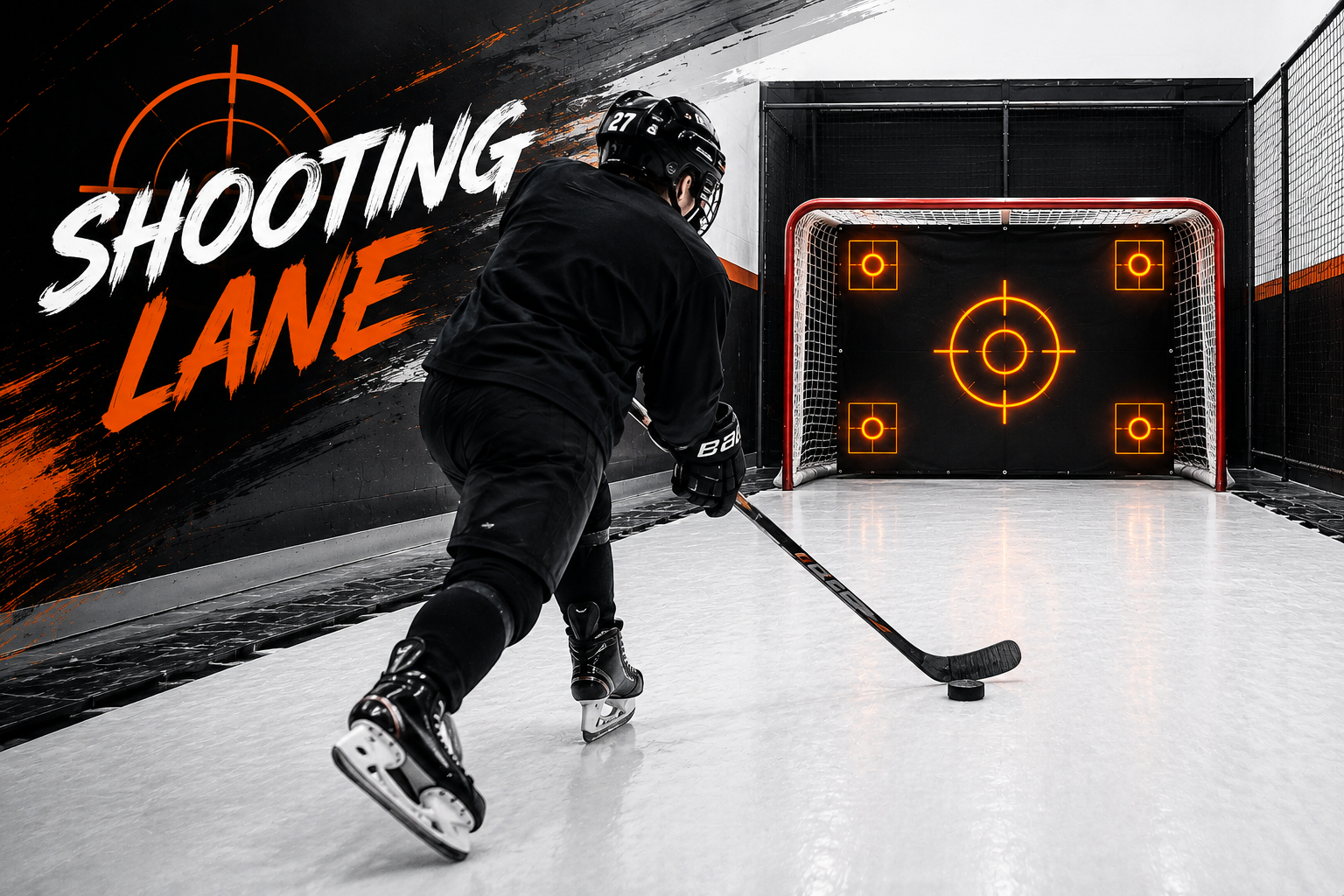
Great shooters are built through repetition. The Shooting Lane provides athletes with a dedicated environment to develop power, accuracy, release speed, and offensive confidence through focused practice and real-time feedback. Studies have demonstrated that structured shooting training can improve both shot speed and accuracy, helping athletes translate practice into game-day performance.
Component #2: Stick handling
Great players don't just react—they anticipate. The Stick Handling & VR Area is designed to develop puck control, reaction speed, vision, and decision-making in a dynamic training environment. Through a combination of stick handling drills, skill-based challenges, and immersive virtual reality training, athletes can improve their confidence with the puck while developing the awareness needed to perform at game speed.
I want to be my strongest self
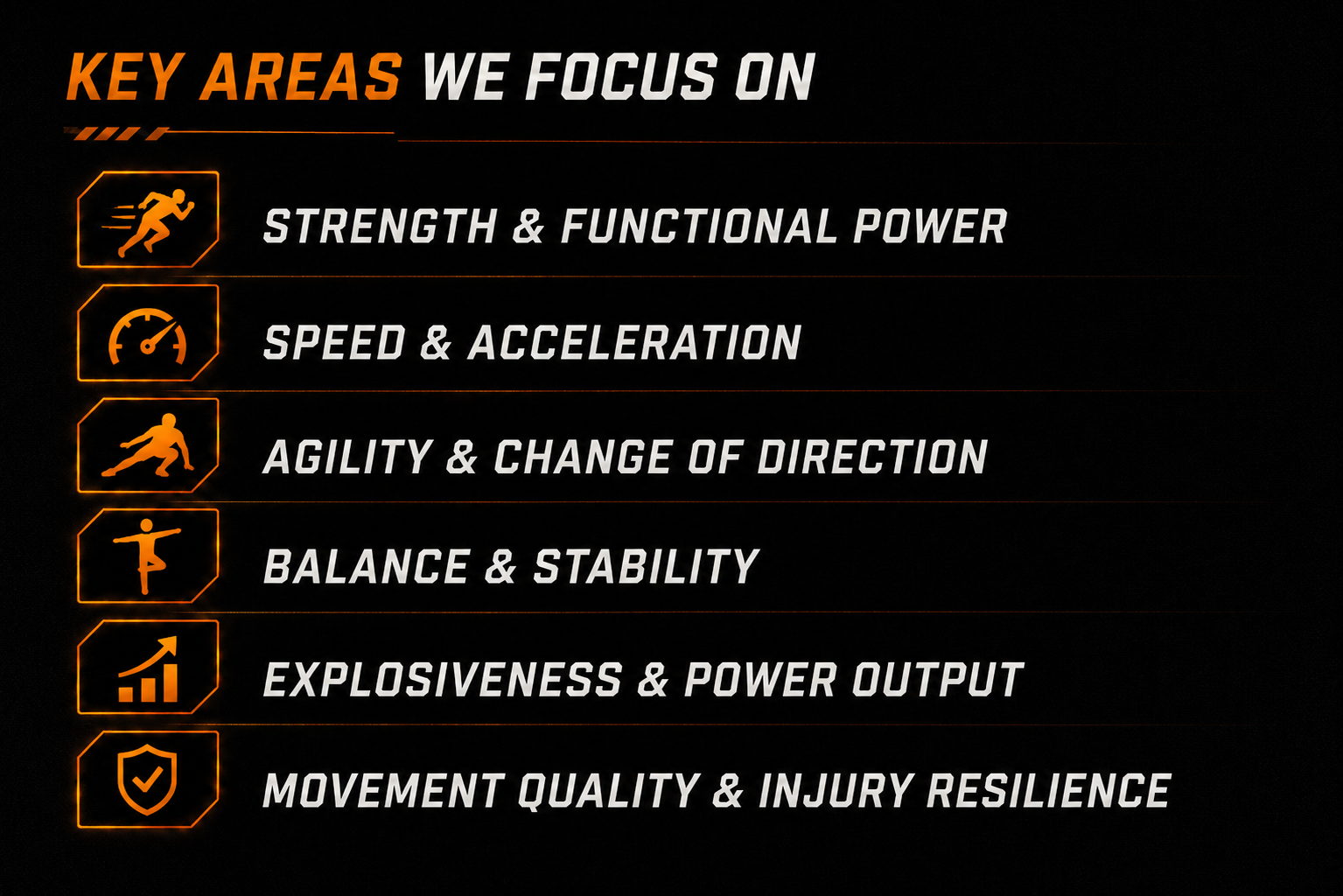
Off ice is actually where athletes build the physical foundation for success. Through training focused on strength, speed, power, agility, balance, and movement efficiency, athletes develop the tools needed to move better, compete harder, and perform at their highest level on and off the ice.
component #1: Dryland Training & Classes
Great skaters aren't built on the ice alone. Our Dryland Performance Classes are designed to develop the athletic foundation that drives skating performance. Through targeted training focused on speed, power, balance, agility, coordination, and explosive movement, athletes build the strength and movement patterns needed to skate faster, change direction more efficiently, and maintain power throughout the game.
By improving lower-body strength, core stability, and overall athleticism, dryland training helps athletes maximize what they can achieve when they step onto the ice.
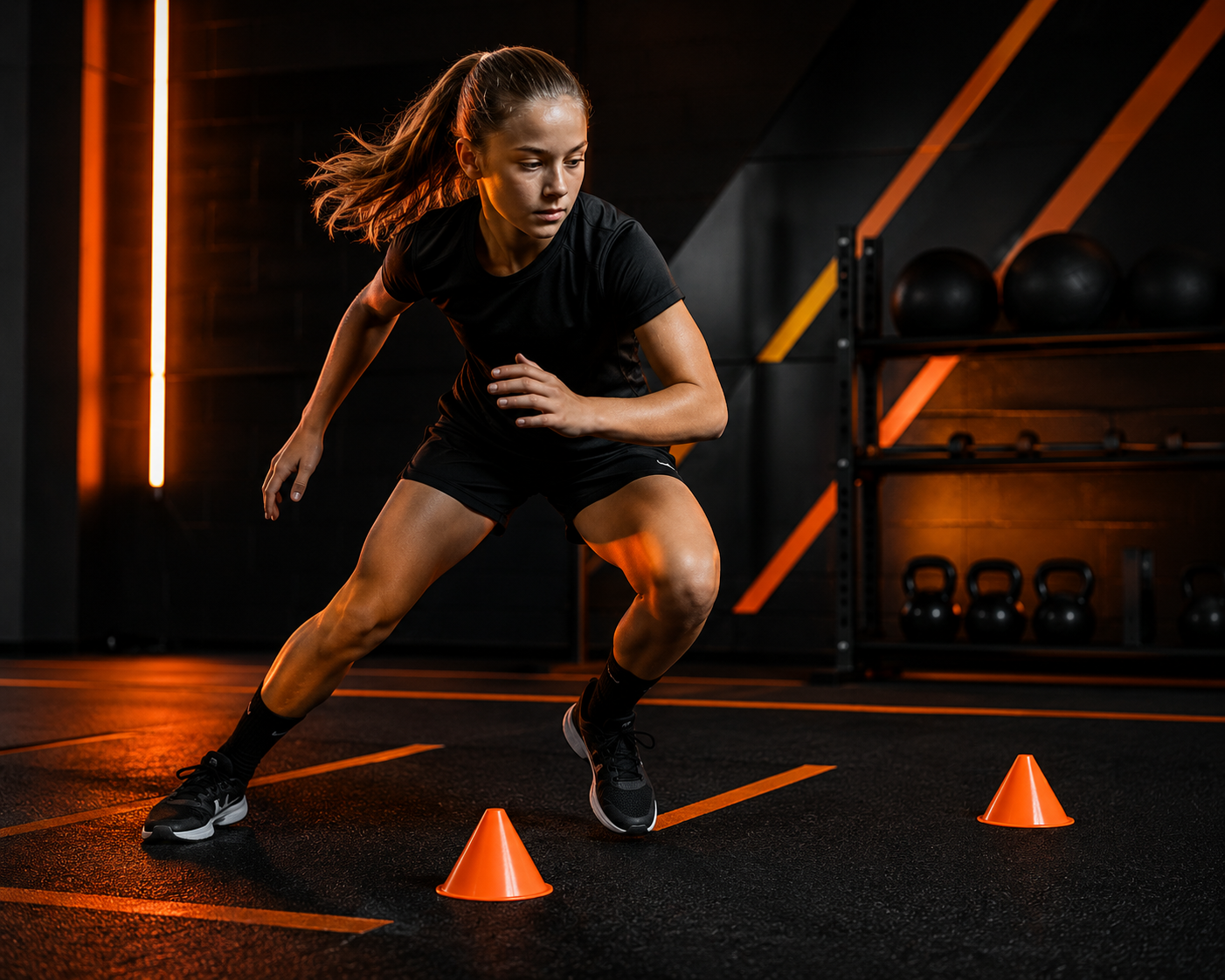
I want to stop everything.
Great goaltending is built on more than just reflexes. Our facility is designed to help netminders develop the technical, physical, and mental skills needed to perform with confidence under pressure. Through focused training, athletes improve tracking, positioning, movement efficiency, reaction speed, and game awareness—helping them make more saves and control the game from the crease.
Component #1: Shooting Lane
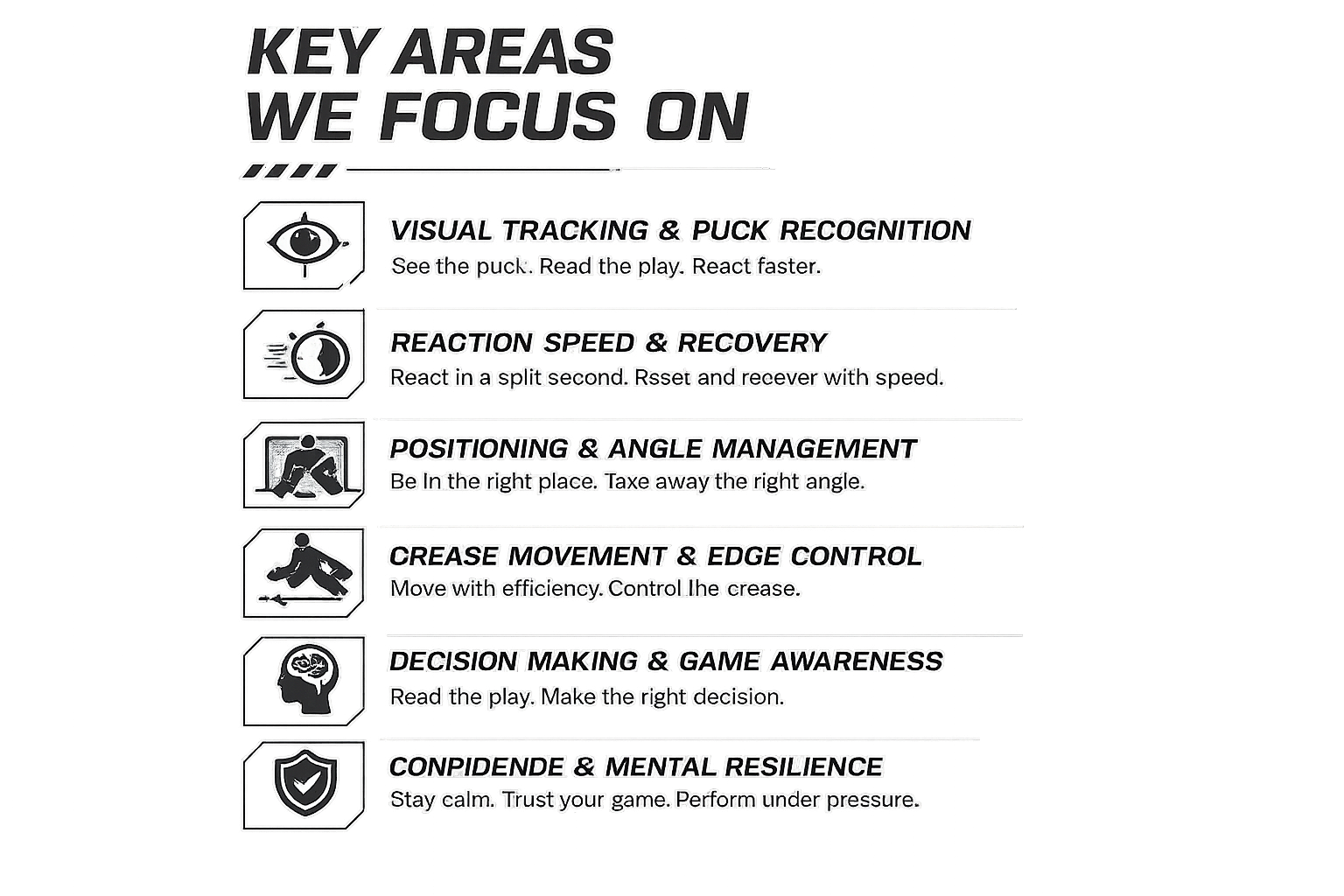
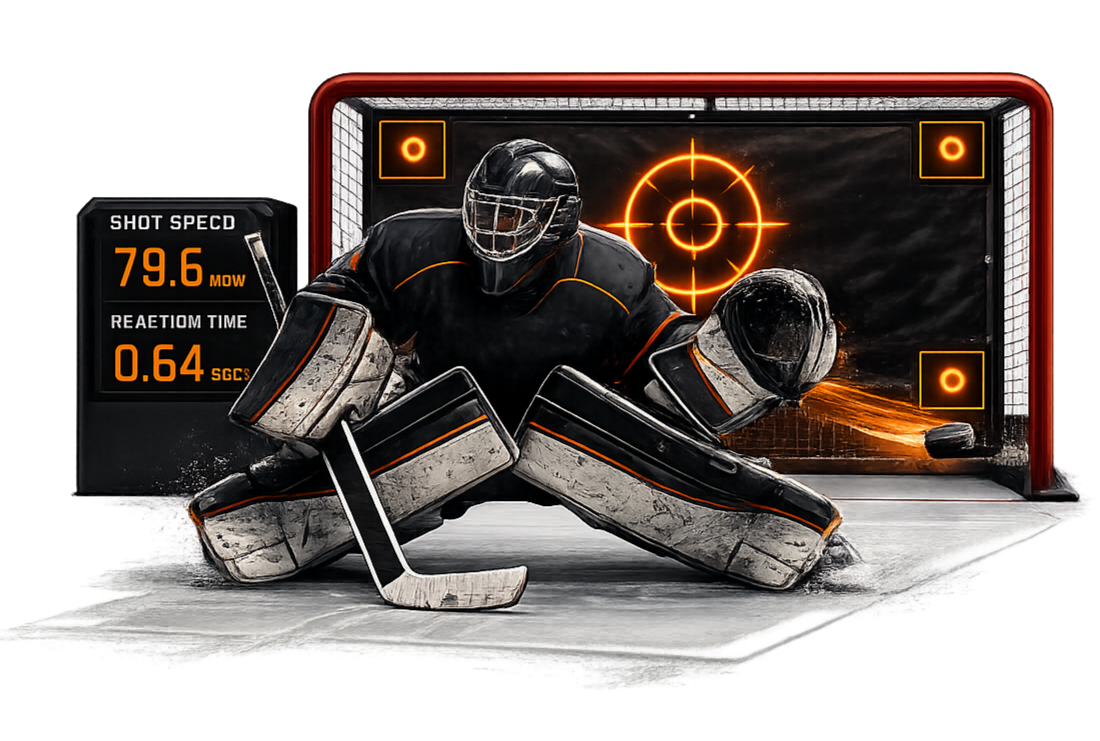
The shooting lane provides goalies with a controlled environment to develop the skills that matter most in the crease. Through high-volume shot repetition, visual tracking exercises, reaction-based drills, and performance feedback, athletes can improve puck recognition, save mechanics, positioning, and recovery speed. By repeatedly facing game-like shot scenarios, goalies build the confidence and consistency needed to perform under pressure.
Component #2: VR Training
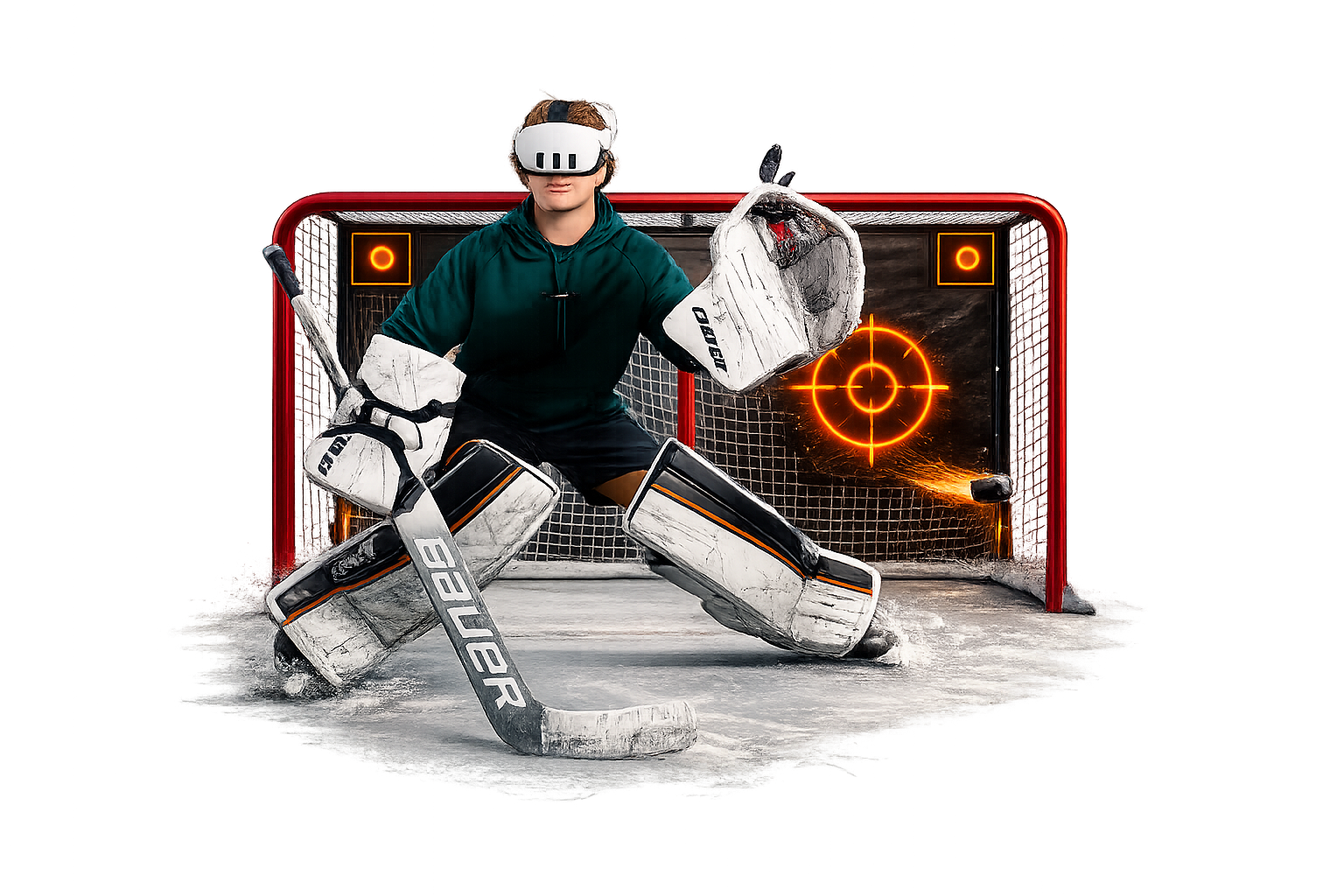
Train the game before you play it. Powered by NHL Sense Arena virtual reality technology, the Goalie VR Station allows athletes to experience realistic game situations in a fully immersive environment. Goalies can develop visual tracking, anticipation, decision-making, positioning, and hockey IQ by facing game-speed scenarios that would be difficult to replicate through traditional training alone.